About dosa
A dosa is a thin, crisp, golden crepe made from a fermented rice-and-lentil batter — the cornerstone of South Indian cooking and one of the most satisfying things you can eat. It is naturally vegan and gluten-free, carries a gentle sourdough-like tang from fermentation, and in its most famous form, the masala dosa, is folded around a spiced potato filling and served with coconut chutney and sambar.
Dosa is precise cooking that is easy to get wrong, which is why Tastibase scores it on its own. This ranking reflects only what diners said about the dosa itself — the crispness, the filling, the accompaniments.
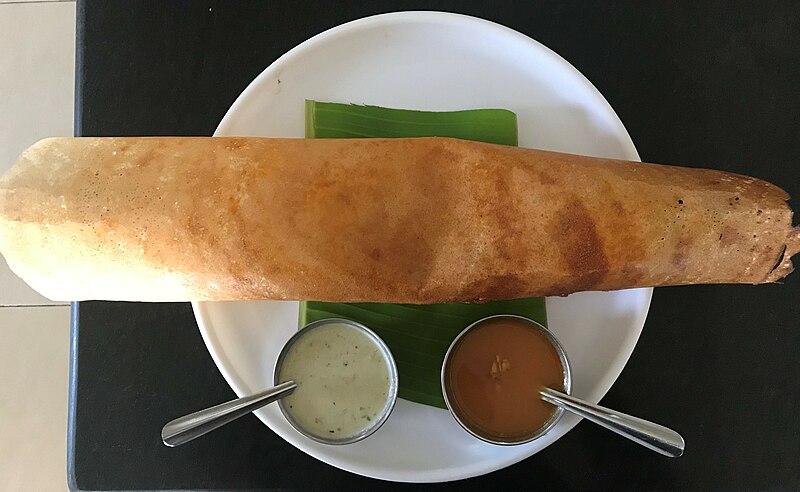
What a dosa is
A dosa starts as a batter of rice and split urad dal (black gram), soaked, ground and left to ferment overnight. That fermentation does two things: it gives the dosa its faint, pleasant sourness, and it makes the batter rise and crisp beautifully on the griddle. Because it is rice and lentils, a plain dosa is naturally gluten-free and vegan — a rare thing on an Indian menu that happens to be one of its best dishes.
It is cooked by spreading the batter thin across a hot, lightly-oiled tawa in a spiral, so it crisps at the edges while staying tender where it is folded. The skill is in the spread and the heat.
The family of dosas
Masala dosa — folded around spiced potato — is the icon. A plain dosa skips the filling; a rava dosa uses semolina for a lacy, extra-crisp texture; a Mysore masala dosa adds a layer of spicy red chutney inside. Paper and ghee-roast dosas are made enormous and shatteringly crisp, often standing taller than the plate. Set dosa is thicker and softer, served in stacks. Each is judged on the same things, but the masala dosa is where most kitchens stake their reputation.
What separates a great dosa
Crispness is the headline. A great dosa is evenly golden and crisp, never soggy, doughy or pale, with a clean fermented tang in the background. The potato masala should be soft, well-spiced and generous, not stingy or bland. And a dosa is only as good as its companions: the coconut chutney should be fresh and the sambar properly spiced and hot. Reviewers reward “crispy”, “huge”, “perfectly fermented” and “great chutney”; they punish “soggy”, “doughy”, “bland filling” and “sour in a bad way”.

How to read this Adelaide ranking
Each restaurant here is scored only on its dosa, from real review mentions, shrunk toward the average so steady praise outweighs a one-off. Check the confidence labels for how many diners mentioned it, and use the map to find the best dosa near you. Only the last three years of reviews are counted.
How to order a dosa
Eat it the moment it lands, while it is still crisp — dosas go soft fast. Use your hands: tear a piece, scoop potato, dip in chutney or sambar. If you want a lighter option than the potato masala, a plain or rava dosa is excellent, and a Mysore masala adds a chilli kick. It makes a brilliant breakfast but is served all day at most South Indian kitchens.
Dosa — frequently asked
Is dosa healthy, vegan and gluten-free?▾
A plain or masala dosa is made from fermented rice and lentils, so it’s naturally vegan and gluten-free, and the fermentation makes it easy to digest. Check that ghee or butter wasn’t used if you’re strictly vegan.
What’s the difference between a dosa and an uttapam?▾
A dosa is spread thin and crisp; an uttapam uses the same batter but is made thick and soft, like a savoury pancake, usually with toppings cooked into it.
What is served with dosa?▾
Classically coconut chutney and sambar (a spiced lentil-and-vegetable broth); many places also offer tomato or coriander chutneys.